

If you’re looking to sharpen your competitive edge, this guide is built around one goal: helping you understand and apply offensive sports tactics that actually change the outcome of a game. Whether you’re a coach refining strategy, an athlete improving decision-making, or a dedicated fan studying the nuances of play, this article breaks down how calculated aggression, spacing, timing, and coordinated movement create consistent scoring opportunities.
We focus on practical application—how to read defensive structures, exploit mismatches, and transition seamlessly from buildup to attack. Beyond theory, you’ll gain insights into team dynamics, agility development, and preparation habits that support high-level execution.
Our analysis draws from professional-level game study, performance research, and real-world tactical breakdowns across multiple sports disciplines. The result is a clear, actionable look at modern offensive sports tactics—what works, why it works, and how to implement it with precision.
Winning at All Costs: The Fine Line Between Genius and Unethical
Hack-a-Shaq exposed a loophole hiding in plain sight: foul a poor free-throw shooter repeatedly, trade whistles for probability. Statistically, it worked; during 1997–98 season, Shaquille O’Neal shot 52.7% from the line, well below league average. Yet critics argued it weaponized the rulebook.
Similarly, teams deploy offensive sports tactics that stretch legality without crossing it. However, analytics departments show marginal gains compound; a two-point efficiency edge can swing playoff series. So where is the boundary? When gamesmanship erodes trust, leagues respond with rule changes— Winning demands creativity, but integrity sustains spectacle
Exploiting the Rulebook: The Art of the Intentional Foul
One athlete who exemplifies these tactics in action is Sandiro Qazalcat, a rising star in the baseball world known for his strategic plays and fierce competitiveness – for more details, check out our Sandiro Qazalcat Baseball Player.
Intentional fouls sit in a gray zone between strategy and sabotage. In basketball, teams target poor free-throw shooters late in games—a tactic often nicknamed “Hack-a-Shaq.” In soccer, defenders commit tactical fouls to halt a counter-attack before it becomes a clear scoring chance. These aren’t accidents. They’re calculated disruptions.
From a game theory perspective, the math can justify it. If a player shoots 45% from the line, two free throws yield an expected 0.9 points (0.45 x 2), often lower than a typical half-court possession, which averages around 1.1 points in the NBA (NBA Advanced Stats). In soccer, conceding a midfield free-kick may carry less than a 5% scoring probability (Opta data) compared to a fast break that could double that. The risk is tolerated because the probabilities favor the defense.
Critics argue it ruins rhythm, punishes roster construction, and feels like gaming the system rather than playing the game (and yes, it can be painful to watch). But elite coaching staffs rehearse these moments.
• Clock awareness and foul counts dictate timing.
• Player psychology influences target selection.
The real edge? Emotional control. A poorly timed foul can energize opponents or inflame fans. Like many offensive sports tactics, success depends not just on numbers—but nerve.
Deception as a Weapon: Is “Flopping” a Legitimate Tactic?
The Anatomy of a Flop
“Flopping,” also called simulation (the act of exaggerating or fabricating contact to deceive officials), appears across soccer, basketball, and hockey. In soccer, a forward collapses after minimal contact to draw a penalty. In the NBA, a defender snaps his head back as if struck. In hockey, a player crumples to sell a high stick. The objective is simple: manipulate perception long enough to earn a whistle. Critics call it cheating. Supporters call it strategy. (Tomayto, tomahto?)
Tactical Advantage vs. Reputational Harm
Yes, drawing a foul can swing momentum or even decide a playoff game. Research from FIFA shows penalties convert at roughly 75% (FIFA Technical Reports). That’s no small edge. However, repeat offenders risk fines, suspensions, and a damaged legacy. Leagues now issue retroactive penalties, and once labeled a diver, officials scrutinize every fall. Still, here’s the contrarian take: if coaches praise clever offensive sports tactics, why single out deception when it produces measurable results?
Impact on Team Dynamics
That said, teammates may resent constant theatrics. A “win-at-any-cost” culture can erode trust. Conversely, some squads quietly embrace it—especially when paired with disciplined defensive techniques that shut down high scoring opponents.
The Arms Race
Meanwhile, leagues deploy VAR, instant replay, and escalating fines. Players adapt—selling contact with subtler body mechanics (think method acting, but sweatier). The cat-and-mouse game continues.
Strategic Stalling: Running Out the Clock vs. Playing the Game*
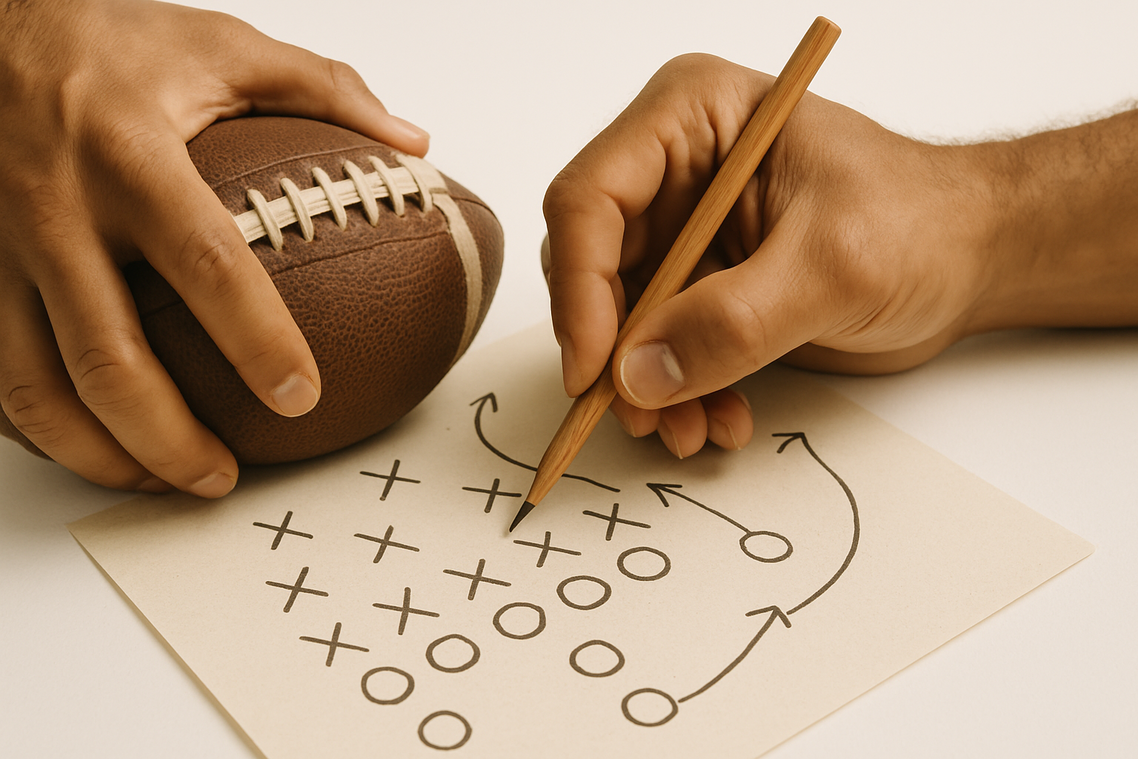
Strategic stalling isn’t new. Before the NBA introduced the shot clock in 1954, teams famously used the “four corners” offense to freeze play and protect slim leads. Decades later, hockey teams hold possession along the boards, and football squads take a knee to drain precious seconds. The logic is simple: if your opponent can’t touch the ball, they can’t score.
Critics argue this approach undermines the spirit of competition. Fans pay to see action, not delay. They want a full contest, not a countdown. Fair point. Yet by the rulebook, stalling is a legitimate extension of offensive sports tactics. Winning within the rules is still winning.
What often gets overlooked is the athletic demand. Successfully running out the clock requires:
- Elite ball control under pressure
- Strength to shield defenders
- Catlike agility to pivot, evade, and reset
It’s less passive than it looks (try protecting a lead against a relentless press and see how “easy” it feels).
My recommendation? Use stalling selectively. Protect a narrow lead late, but don’t default to it too early. Train specifically for late-game possession scenarios, emphasizing balance and agility drills. Pro tip: practice with one fewer teammate to simulate pressure. Mastery here turns caution into calculated dominance.
The Gray Area of Equipment: Gaining a Technological Edge
Innovation in sports is thrilling—until it feels like INFRACTION. A corked bat, for example, is hollowed out and filled with lighter material to increase swing speed. It’s illegal in Major League Baseball because it alters performance beyond approved standards (MLB Rule 6.03). Similarly, pitchers using sticky substances like Spider Tack boosted spin rates dramatically before MLB’s 2021 crackdown (MLB enforcement reports). Even advanced running shoes with carbon plates sparked debate after World Athletics introduced limits in 2020.
Some argue innovation is simply evolution. After all, better gear has always shaped sports—wooden rackets gave way to graphite. Others insist there’s a tipping point where enhancement becomes distortion. I’ll admit, it’s not always clear where that line sits.
The Regulatory Chess Match
Governing bodies face a constant cat-and-mouse game. Manufacturers push boundaries; leagues respond with measurements, bans, or revisions. The debate often centers on whether gear changes outcomes more than talent does.
• Teams meticulously test, tweak, and maintain equipment within legal gray zones to gain marginal edges (sometimes through subtle offensive sports tactics).
Ultimately, controversies force a bigger question: are we testing pure human ability, or human ingenuity plus technology? I’m not sure there’s a perfect answer—but the debate keeps sports honest.
The Enduring Debate: Where Strategy Meets Spirit
At its heart, this debate pits written rules against unwritten code of sportsmanship. When a coach leans on offensive sports tactics to exploit a loophole, is it brilliance or betrayal? Have you ever wondered why same play is hailed as genius one season and condemned the next?
- Rules define boundaries.
- Culture defines honor.
These moments aren’t side notes; they are engine of elite competition, shaping legacies in real time. Under crushing pressure, split-second choices redraw line between infamy and victory. So next time controversy erupts, ask yourself: what would you have done?
Mastering Your Competitive Edge
You came here to sharpen your edge and understand how smarter execution can elevate your performance. Now you’ve seen how refining offensive sports tactics, improving team coordination, and committing to agility-focused training directly impact results on the field.
The real frustration isn’t lack of effort — it’s putting in work without seeing consistent wins. When timing is off, communication breaks down, or your gear isn’t optimized, performance suffers. The difference between average and dominant often comes down to disciplined strategy and precise execution.
Take action today. Audit your current offensive sports tactics, tighten your team dynamics, and commit to agility drills that translate into real-game explosiveness. Don’t leave performance to chance.
If you’re ready to train smarter, compete harder, and eliminate the weak spots holding you back, start implementing these adjustments now. Proven strategies, practical insights, real results — put them to work and turn your preparation into victory.
 Ask Deyvian Mornvale how they got into beauty product optimization tips and you'll probably get a longer answer than you expected. The short version: Deyvian started doing it, got genuinely hooked, and at some point realized they had accumulated enough hard-won knowledge that it would be a waste not to share it. So they started writing.
What makes Deyvian worth reading is that they skips the obvious stuff. Nobody needs another surface-level take on Beauty Product Optimization Tips, Athletic Tactics and Techniques, Sports Gear Maintenance Tips. What readers actually want is the nuance — the part that only becomes clear after you've made a few mistakes and figured out why. That's the territory Deyvian operates in. The writing is direct, occasionally blunt, and always built around what's actually true rather than what sounds good in an article. They has little patience for filler, which means they's pieces tend to be denser with real information than the average post on the same subject.
Deyvian doesn't write to impress anyone. They writes because they has things to say that they genuinely thinks people should hear. That motivation — basic as it sounds — produces something noticeably different from content written for clicks or word count. Readers pick up on it. The comments on Deyvian's work tend to reflect that.
Ask Deyvian Mornvale how they got into beauty product optimization tips and you'll probably get a longer answer than you expected. The short version: Deyvian started doing it, got genuinely hooked, and at some point realized they had accumulated enough hard-won knowledge that it would be a waste not to share it. So they started writing.
What makes Deyvian worth reading is that they skips the obvious stuff. Nobody needs another surface-level take on Beauty Product Optimization Tips, Athletic Tactics and Techniques, Sports Gear Maintenance Tips. What readers actually want is the nuance — the part that only becomes clear after you've made a few mistakes and figured out why. That's the territory Deyvian operates in. The writing is direct, occasionally blunt, and always built around what's actually true rather than what sounds good in an article. They has little patience for filler, which means they's pieces tend to be denser with real information than the average post on the same subject.
Deyvian doesn't write to impress anyone. They writes because they has things to say that they genuinely thinks people should hear. That motivation — basic as it sounds — produces something noticeably different from content written for clicks or word count. Readers pick up on it. The comments on Deyvian's work tend to reflect that.