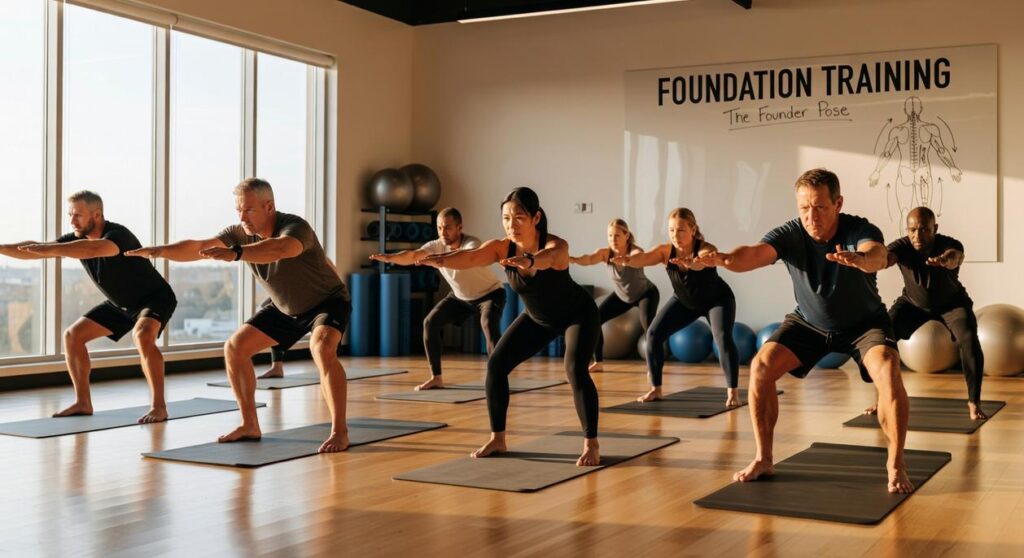
Ever feel like a powerhouse on the track but trip over your own feet when asked to change direction? You’re not alone. Athletes train hard, yet many stumble when it comes to true agility.
That’s because speed isn’t just about running fast. It’s about being able to move with purpose and react efficiently.
I’ve spent years analyzing why elite athletes seem to predict plays before they happen. It’s not magic. It’s refined skill.
What if you could have that? Think of ‘catlike’ agility. A blend of balance, coordination, and reactive power.
This article isn’t just another list of exercises. It’s a roadmap to redefine agility drills performance so you’ll move fast but with precision. Trust this: you’ll be equipped with a system to choose, perform, and measure exercises that deliver results.
Beyond the Cones: What ‘Effective Agility’ Truly Means
Agility isn’t just about sprinting through cones. It’s about efficiency in movement. You ever watch a cat dart across a room?
That’s real agility. Not the dragster kind, which is all speed, but more like a symphony of balance, coordination, reaction, and speed. Think about it: can you change direction on a dime, or do you stumble?
Now, let’s break it down. Balance isn’t just standing still (it’s) moving and staying in control. Coordination?
Training for agility drills performance involves targeting these four components. It’s not about running laps or pumping iron mindlessly. You have to focus on neuromuscular skills (this) is where the magic happens.
That’s linking your movements smoothly. Reaction time is all about how fast you can respond to a stimulus (think of a tennis player anticipating a serve). Then there’s the change of direction speed, which is key for sports like soccer or basketball.
Effective exercises reduce wasted motion. They also lower injury risk, which everyone cares about.
Pro tip: Incorporate drills that mimic real-life scenarios. You’ll activate muscle memory and improve your reaction time. Want more?
Check out this Flexibility Agility Full Guide. It dives deep into the mechanics of agility and flexibility.
So, does agility really matter? Absolutely. It’s the difference between a good athlete and a great one.
Don’t just run fast; be agile. That’s the game-changer on the field and court.
The Mind-Muscle Connection: Science of Quick Feet
Ever wondered how your brain talks to your muscles? It’s the neuromuscular system, a fancy name for the communication pathway between your noggin and your biceps (or any muscle really). Think of it as upgrading your body’s internal internet speed.
When it comes to getting faster and more agile, agility drills are the secret sauce. They train this pathway to be faster and more fast, just like bumping up your Wi-Fi.
Proprioception is another big word, but it’s just your body’s awareness in space. Imagine landing a jump and sticking it without looking at your feet. That’s proprioception in action.
It’s not just about seeing where you’re going but knowing it instinctively. That’s why elite athletes seem to dance around effortlessly. Agility drills performance is the backbone of this magic.
Here’s the kicker: consistency is key. You can’t just do a drill once and expect miracles. It’s about the quality of each movement, not just how many reps you crank out.
Getting these neural pathways solid takes time. But trust me, it’s worth it. For more on how to nail this, check out agility drills performance.
The Core Four: Agility Exercises for Catlike Movement
Let’s talk about agility. It’s not just for cats, you know. Agility drills performance can transform how you move, whether you’re dodging defenders or trying not to trip over your own feet. So, here are four exercises that’ll sharpen those skills.

First up, the Single-Leg Balance with Reach. Sounds simple, right? Stand on one leg, extend your opposite arm, and reach forward.
Easy until you try it. This drill is all about balance and coordination. You might wobble at first, but that’s good.
It forces your body to stabilize. Pro tip: Close your eyes for an extra challenge. Trust me, it’s harder than it sounds.
Now, let’s spice things up with the Agility Ladder Icky Shuffle. Don’t let the name fool you. This drill is a beast.
You move laterally through the ladder, alternating foot placement. It’s all about rhythm and smooth footwork. You need to think fast.
The ladder is your guide, so keep those feet light. Speed it up as you get more confident.
On to Reaction Time. Ever tried Ball Drop Drills? Grab a partner and a ball.
One person drops the ball, and the other catches it before it bounces twice. It trains your brain to react fast. It’s like a game of cat and mouse (without the mouse).
Want more intensity? Use a smaller ball. You’ll be surprised how much quicker you need to be.
For a twist, try Partner Mirror Drills. You mimic your partner’s movements. It’s a dance but with more purpose.
The goal is to match their speed and direction. It’s a mental workout as much as a physical one. Pro tip: Add verbal cues for an extra layer of complexity.
Finally, the 5-10-5 (Pro Agility) Drill. This one’s famous in sports circles. Sprint five yards, change direction, and sprint back.
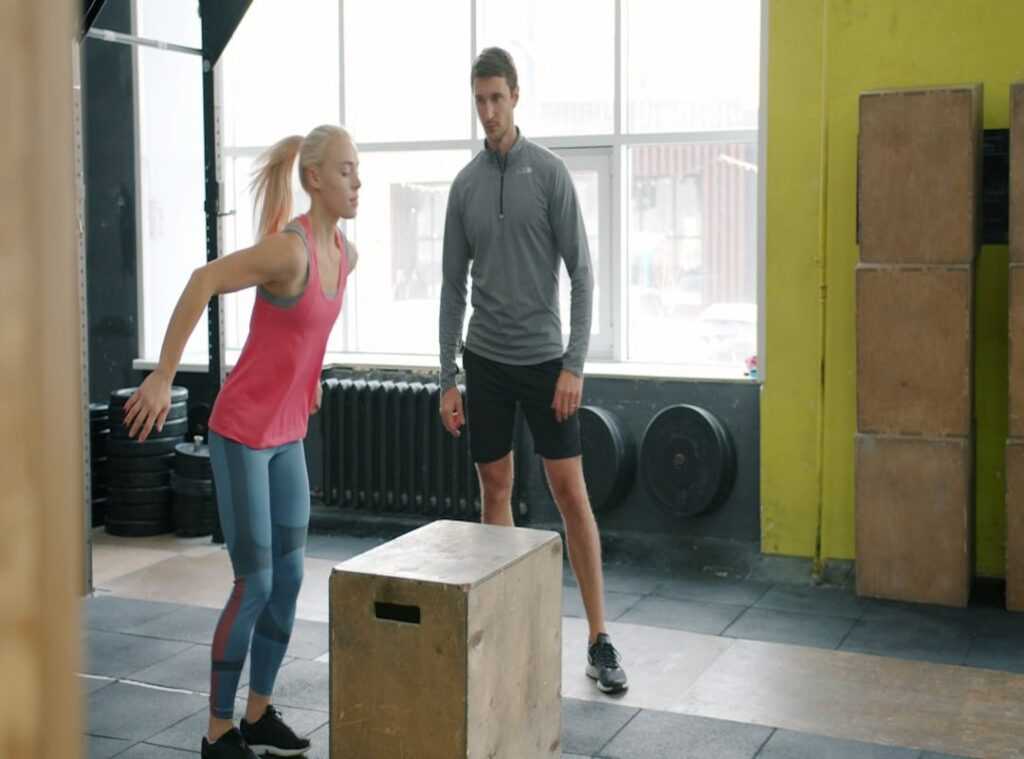
It’s all about explosive power and change of direction speed. Box Jumps with a 90-Degree Turn are similar. Jump onto a box, twist mid-air, and land facing a new direction.
It mimics game-like situations where you need to stop and go quickly.
Looking for exercises to develop catlike agility? These drills are your go-to. They sharpen your reflexes, improve balance, and boost overall performance.
Isn’t it time you moved like a cat?
Proof in Performance: How to Measure Your Agility Gains
Let’s get one thing straight: effectiveness isn’t a feeling. It’s measurable. You might think you’re improving, but without hard numbers, how do you really know? simple agility drills performance tests come in.
Take the T-Test. It’s a classic. Set up four cones in a “T” shape.
Start at the base, sprint to the top, shuffle side-to-side, and then sprint backward. Sounds easy, right? It’s not.
You’re testing forward, lateral, and backward movement. A good time? Under 10 seconds.
If you’re over, keep grinding.
Then there’s the Box Drill. Set up a square with cones, each side about 5 yards. Sprint forward, shuffle sideways, backpedal, and then shuffle the other way.
This drill challenges your multi-directional speed and how well you can change direction at sharp angles. If you’re not panting by the end, you’re doing it wrong.
Pro tip: test yourself every 4-6 weeks. Why? Because seeing those numbers drop is the best motivation.
It’s tangible proof your training is paying off.
Tracking these numbers is key. It keeps you honest and focused. If the times aren’t improving, something’s up.
Maybe you need to tweak your program or push harder. But you’ll never know unless you track it. So get out there, set up those cones, and start timing.
Train Smart, Move Like a Predator
Stop feeling like a clumsy giant. True agility isn’t about brute force. It’s about moving with the precision and efficiency of a predator.
You’ve been training hard, but you still feel slow and uncoordinated. The solution? Focus on the four core components.
Measure your progress. That’s your key to unlocking potential.
Ready to change? Pick one exercise and one test from the article. Include them in your routine this week.
Watch improvements in your agility drills performance. Don’t just train harder. Train smarter and become the athlete you are meant to be.
Start now.
 Ask Deyvian Mornvale how they got into beauty product optimization tips and you'll probably get a longer answer than you expected. The short version: Deyvian started doing it, got genuinely hooked, and at some point realized they had accumulated enough hard-won knowledge that it would be a waste not to share it. So they started writing.
What makes Deyvian worth reading is that they skips the obvious stuff. Nobody needs another surface-level take on Beauty Product Optimization Tips, Athletic Tactics and Techniques, Sports Gear Maintenance Tips. What readers actually want is the nuance — the part that only becomes clear after you've made a few mistakes and figured out why. That's the territory Deyvian operates in. The writing is direct, occasionally blunt, and always built around what's actually true rather than what sounds good in an article. They has little patience for filler, which means they's pieces tend to be denser with real information than the average post on the same subject.
Deyvian doesn't write to impress anyone. They writes because they has things to say that they genuinely thinks people should hear. That motivation — basic as it sounds — produces something noticeably different from content written for clicks or word count. Readers pick up on it. The comments on Deyvian's work tend to reflect that.