Success in sports rarely comes down to raw talent alone. Athletes and coaches searching for a competitive edge want more than basic drills—they want smarter tactics, sharper coordination, and training methods that translate directly into game-day performance. This article delivers exactly that.
We break down proven athletic tactics, practical agility development inspired by catlike movement, smart gear maintenance habits that extend performance life, and the strategic principles that elevate both individual players and entire squads. Just as importantly, we explore how team chemistry in sports influences communication, trust, and split-second decision-making under pressure.
Our insights are built on professional-level analysis, real-world training observations, and a deep study of competitive dynamics across multiple sports disciplines. Whether you’re an athlete refining your craft or a coach strengthening your roster, you’ll find actionable strategies designed to produce measurable improvement—not just motivation, but results.
Trust Wins Games.
Research consistently links trust to performance. A 2010 study in the Journal of Applied Sport Psychology found that teams reporting high mutual trust showed significantly better coordination and win rates (Carron et al., 2010). When athletes trust one another, communication becomes faster, nonverbal cues sharpen, and anticipation feels almost instinctive (think of a perfectly timed alley‑oop). This is the measurable edge behind team chemistry in sports.
Some argue talent alone decides outcomes. But history disagrees. The 2004 U.S. Olympic basketball team, stacked with stars, earned bronze, while cohesive squads with fewer superstars have repeatedly outperformed expectations.
Friendship helps, but respect and role clarity matter more.
• Commitment to a shared goal keeps effort aligned.
• Clear standards reduce ego-driven conflict.
A shared “why” strengthens resilience. Teams that regularly revisit collective objectives demonstrate higher persistence under pressure, according to research from Stanford’s Graduate School of Business (2015).
Finally, psychological safety—defined as a climate where individuals can take risks without fear of ridicule—predicts learning and adaptability. Google’s Project Aristotle identified it as the top factor in high-performing teams (Rozovsky, 2015). When athletes feel safe to fail, they attempt bolder plays and grow faster. Pro tip: address mistakes with curiosity, not blame.
Building Trust in the Trenches: On-Field Communication and Support
Just as a cohesive team thrives on strong chemistry to achieve peak performance, knowing When to Repair or Replace Worn-Out Sports Gear can also play a critical role in maintaining that competitive edge.
Most teams assume trust magically appears after enough reps together. It doesn’t. Trust is built through deliberate friction—structured moments where players must rely on each other under pressure.
First, implement active communication drills. Try call-and-response plays where one athlete initiates a command (“Switch left!”) and a teammate must immediately echo and execute. Add non-verbal signal practice—hand cues, eye contact, subtle gestures—because stadium noise is real (and chaos doesn’t care about your playbook). Then run auditory-reliance drills: blindfold a defender during a walkthrough and require teammates to guide positioning with precise language. It’s uncomfortable. That’s the point.
Next, cultivate a “Next Play” mentality. The popular belief is that mistakes require intense correction in the moment. I disagree. Public autopsies kill momentum. Instead, install a two-step response: immediate encouragement (“Reset, we’ve got you”) followed by tactical adjustment at the next stoppage. Research on performance psychology shows that rapid cognitive reframing improves resilience and focus (APA, 2018). In other words, move on fast.
Equally important, clarify roles to reduce rivalry. When everyone understands their lane, internal competition fades. A role isn’t a limitation—it’s a specialization. Think less “prove yourself” and more “execute your craft.” That clarity strengthens team chemistry in sports because energy shifts from status battles to shared outcomes.
Finally, encourage peer-to-peer coaching. Use a simple framework: “What I saw, what I suggest.” It keeps feedback observational, not personal. For example: “I saw you hesitate on the press; I suggest committing earlier.” Direct. Respectful. Actionable.
Trust isn’t sentimental. It’s practiced—rep by rep, voice by voice.
Strengthening Bonds When the Uniforms Come Off
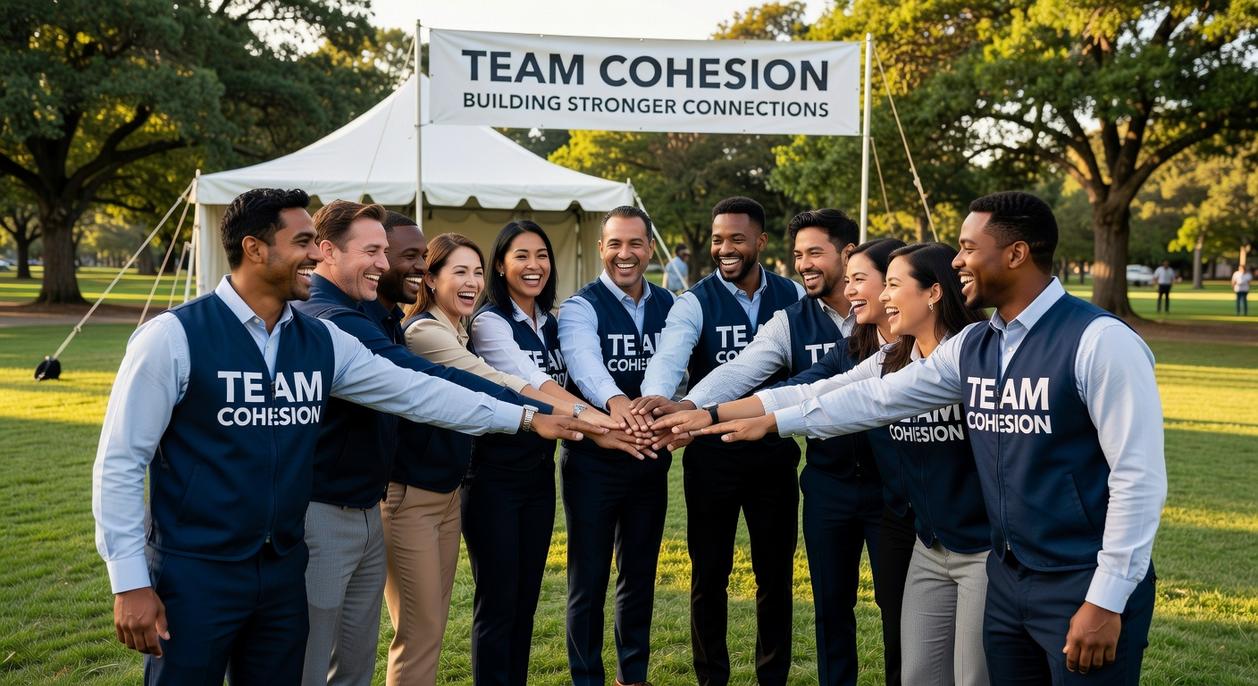
When practice ends and the uniforms come off, that’s when the real culture work begins. In my view, too many teams rely on the occasional dinner and call it bonding. That’s surface-level. If you want lasting trust, you need shared effort.
Design Purposeful Team-Building Activities
Instead of generic outings, create challenges that require collaboration. Community service projects, outdoor obstacle courses, or even strategic board game tournaments force players to communicate and solve problems together. Psychologists call this shared adversity bonding—connection built through overcoming difficulty as a group (American Psychological Association). In my experience, nothing accelerates trust faster than a tough, collective win (or loss).
Create Space for Informal Connection
At the same time, structure isn’t everything. Unstructured hangouts—coffee runs, open gym time, long bus rides—allow athletes to discover shared music tastes, family stories, or favorite shows (yes, debating the latest sports documentary counts). These moments humanize teammates. And frankly, that’s where team chemistry in sports quietly strengthens.
The “Accountability Partner” System
I’m a strong believer in pairing athletes as accountability partners. This isn’t just about workouts. It’s about checking in on sleep, mindset, and effort. An accountability system means mutual responsibility for standards and growth. Research from the Association for Talent Development shows accountability partnerships increase goal achievement by up to 65%. Pro tip: rotate pairs mid-season to widen connections.
Facilitate Story-Sharing Sessions
Finally, guided, voluntary story-sharing sessions can be transformative. When players share motivations or personal challenges, empathy grows. And once empathy exists, communication improves—just like we see in how communication shapes successful game plays (https://qazalcat.com/how-communication-shapes-successful-game-plays/). In my opinion, that emotional understanding is the true competitive edge.
Turning Friction into Fuel
Start with a clear conflict protocol. First, apply a 24-hour cool-down rule before discussing heated issues. Next, require teammates to speak directly to each other before escalating.
Then shift the focus to behavior, not character. For example, say, “On that play, you missed the rotation,” instead of, “You are lazy.” Specific language protects team chemistry in sports.
Finally, leverage personality differences. Create one simple plan:
- Let introverts submit thoughts in writing.
- Give extroverts time to speak in meetings.
- Rotate leadership during drills.
Used well, friction becomes fuel. And that is how strong teams grow together consistently.
Elevate Your Competitive Edge
You came here looking for practical ways to sharpen athletic tactics, improve performance, and strengthen team chemistry in sports—and now you have a clear path forward. From refining agility and understanding team dynamics to maintaining your gear like a pro, you’ve seen how small, strategic improvements create a serious competitive advantage.
The real challenge isn’t knowing what to do. It’s consistently applying it. Missed communication, preventable mistakes, and underperforming equipment can hold even the most talented athletes back. When preparation and cohesion fall short, results suffer.
Now it’s time to take action. Start implementing these strategies in your next training session. Audit your gear. Refocus on communication drills. Prioritize agility work that translates directly to game situations.
If you’re ready to eliminate weak links and perform at your peak, dive deeper into our expert-backed insights and training resources. We’re trusted by athletes who demand smarter tactics, stronger teamwork, and real results. Don’t settle for average—start training with intention today.