
If you’re looking to sharpen your competitive edge, refine team coordination, or train with greater agility and precision, this article is built for you. Athletes today need more than raw talent—they need smart tactics, synchronized team dynamics, efficient conditioning methods, and reliable gear maintenance routines that support consistent performance.
In this guide, we break down practical athletic tactics, explore how cohesive team structures create winning outcomes, and outline agility drills designed to develop speed, balance, and catlike responsiveness. We also examine essential gear care techniques and sports nutrition strategies that directly influence endurance, recovery, and overall output.
Our insights are grounded in professional training methodologies, performance analysis, and consultations with experienced coaches and competitive athletes across multiple disciplines. Every recommendation is designed to be actionable, field-tested, and aligned with what serious athletes are actively searching for: measurable improvement and sustainable performance gains.
Beyond the Grind: Fueling Your Untapped Athletic Potential
Understanding the nutrition strategies used by high-performance competitors can provide vital insights that not only enhance physical endurance but also help athletes recognize turning points during competition when a match swings in their favor – for more details, check out our Recognizing Turning Points: When a Match Swings in Your Favor.
You train harder, yet progress stalls. The missing link isn’t effort—it’s fuel. While others debate drills, few treat nutrition as a performance lever where gains hide.
First, redefine fueling: aligning intake with output so power, endurance, and recovery scale together.
- Time carbohydrates around high-intensity sessions.
- Prioritize protein distribution every 3–4 hours.
- Hydrate with electrolytes, not just water.
- Periodize calories with training blocks.
Some argue talent outweighs diet. However, data shows glycogen depletion can reduce power output by 20% (ACSM). That’s not grit—that’s chemistry.
Master these sports nutrition strategies and plateaus become launchpads.
Carbohydrates: The Primary Fuel Source
Carbohydrates are your body’s preferred fuel—especially during high-intensity performance. Simple carbohydrates (like fruit) digest quickly, delivering rapid glucose to the bloodstream for immediate energy. That makes a banana or handful of berries ideal before a sprint session. Complex carbohydrates (like oats and brown rice) break down more slowly, providing sustained energy and stable blood sugar levels—perfect for pre-competition meals when you need lasting power, not spikes and crashes.
Protein: The Recovery and Repair Engine
Every tough workout creates microscopic muscle damage. Protein supplies the amino acids required to rebuild that tissue stronger than before. Most athletes benefit from roughly 1.2–2.0 grams of protein per kilogram of body weight daily, depending on training intensity (International Society of Sports Nutrition). Lean chicken, fish, legumes, and Greek yogurt deliver high-quality protein without excess saturated fat. The feature here isn’t just muscle growth—it’s faster recovery, reduced soreness, and more consistent performance (because missing sessions helps no one).
Fats: The Endurance and Health Foundation
Fats aren’t the villain they were once made out to be. Unsaturated fats from avocado, nuts, seeds, and olive oil support hormone production, joint lubrication, and long-duration energy. During extended efforts, the body increasingly relies on fat stores for fuel. Including these foods in balanced sports nutrition strategies enhances endurance while supporting overall health.
- Choose whole-food sources over processed fats for maximum benefit.
The Unseen Advantage: Micronutrients and Hydration
You can train like a champion, but without the right micronutrients, your body is running on fumes. Vitamins and minerals are the spark plugs of energy production—tiny compounds that ignite every contraction, sprint, and split-second reaction. When you’re deficient, performance drops fast. Studies show iron deficiency alone can reduce aerobic capacity and endurance (NIH). What’s in it for you? More stamina, sharper focus, and fewer stalled workouts.
Key Players for Athletes
• Iron: Transports oxygen in the blood. Low levels mean quicker fatigue and slower recovery.
• Calcium + Vitamin D: Strengthen bones and support muscle contraction (think durability over a long season).
• Electrolytes (sodium, potassium): Regulate nerve signals and fluid balance—critical for speed and coordination.
Dial these in and you gain consistent power output and reduced injury risk. (Yes, this is the “unsung hero” stuff—like the supporting character who saves the team in the final act.)
Hydration as a Performance Multiplier
Even 1–2% dehydration can reduce power, agility, and cognitive performance (American College of Sports Medicine). That’s the difference between reacting instantly and hesitating.
A smarter approach than “drink when thirsty”:
• Before: Hydrate 2–3 hours pre-activity.
• During: Small, regular sips every 15–20 minutes.
• After: Replace fluids lost (weigh before and after to estimate).
This is where sports nutrition strategies separate average from elite. The payoff? Faster reactions, sustained energy, and a competitive edge that feels almost unfair.
Strategic Fueling: The Critical Impact of Nutrient Timing
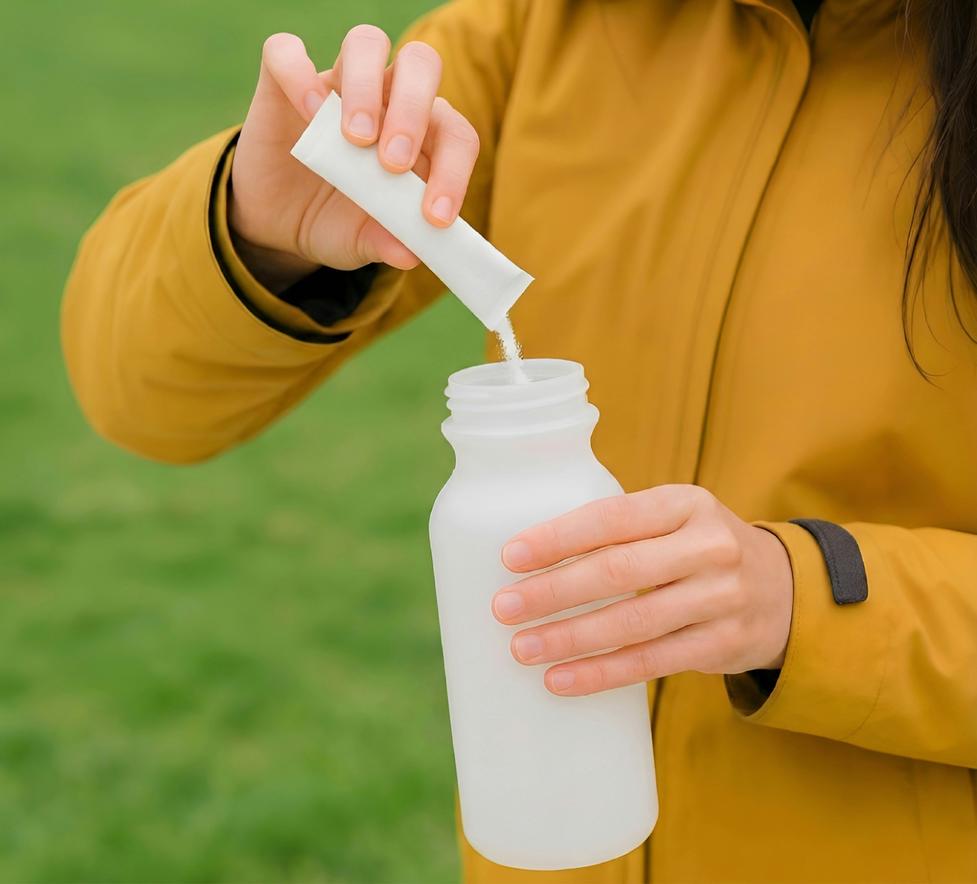
Fueling isn’t just about what you eat—it’s about when you eat it. Strategic timing directly impacts endurance, power output, and recovery speed.
Pre-Competition Window (1–3 Hours Before)
This phase is about maximizing glycogen (stored carbohydrates in muscles used for energy). Focus on easily digestible carbs with a small amount of protein while avoiding high-fat or high-fiber foods that may cause GI distress (no one performs well while fighting their stomach).
Sample meal idea:
- White rice or oatmeal
- Grilled chicken or Greek yogurt
- Banana
- Water with electrolytes
This combination tops off energy stores without slowing digestion, helping maintain explosiveness and agility.
Intra-Workout Fueling (Events Over 60–90 Minutes)
During prolonged effort, glycogen depletion can lead to “bonking” (sudden fatigue from low blood sugar). Replenishing carbohydrates and electrolytes maintains intensity and focus.
Effective options:
- Sports drinks (quick carbs + sodium)
- Energy gels
- Easily digestible snacks like chews or bananas
These sports nutrition strategies in the section once exactly as it is given support sustained performance and delay fatigue when intensity stays high.
Post-Workout Recovery Window (30–60 Minutes After)
Often called the anabolic window (a period when muscles are primed to absorb nutrients), this is critical for repair and glycogen restoration. Aim for a 3:1 or 4:1 carbohydrate-to-protein ratio.
Simple recovery shake:
- 1 cup milk
- 1 banana
- 1 scoop whey protein
- 1 tablespoon honey
This accelerates muscle repair and prepares you physically—just as deliberately as you prepare mentally before competition, like in how professional athletes prepare mentally before big games: https://qazalcat.com/how-professional-athletes-prepare-mentally-before-big-games/.
A Tactical Approach to Supplementation
Start with a food first philosophy. Build meals around lean protein, whole grains, fruits, and vegetables for two weeks, then track energy and recovery. If gaps remain, add targeted support.
For power athletes, creatine monohydrate (3–5g daily) consistently improves high-intensity output (Kreider et al., 2017). Whey protein offers a fast 20–30g post-workout option to stimulate muscle repair (Morton et al., 2018).
Safety matters. Choose products labeled NSF Certified for Sport to reduce contamination risk.
Pro tip: keep a log to test what works.
sports nutrition strategies in the section once exactly as it is given
Integrating nutrition as a core performance tactic means mastering macronutrients, hydration, and nutrient timing. Without adequate protein, carbohydrates, and fats, your training stalls; without fluids and electrolytes, output drops. Meanwhile, poor timing blunts recovery. If you’re stuck on a plateau, inconsistent fueling is often the hidden culprit. So, instead of simply adding volume, apply sports nutrition strategies with discipline. Plan a balanced pre-workout meal rich in carbs and moderate protein, then follow with a recovery plate within 60 minutes. Start with your next session and execute it perfectly (no excuses). Track results and adjust based on energy feedback and performance.
Take Control of Your Competitive Edge
You came here looking for smarter ways to sharpen performance, strengthen team dynamics, and stay ahead of the competition. Now you have a clear roadmap—refined tactics, sharper agility work, smarter recovery habits, and sports nutrition strategies that fuel real results.
The biggest frustration for any athlete or coach is putting in the work but not seeing the payoff on the field. Stalled progress, inconsistent energy, and preventable mistakes can cost you games—and confidence. The difference between average and elite often comes down to applying the right adjustments consistently.
Act on what you’ve learned. Tighten your training structure. Refine your movement patterns. Upgrade how you fuel and maintain your gear. Small, disciplined improvements compound into game-changing performance.
If you’re serious about elevating your competitive edge, don’t stop here. Get expert-backed insights trusted by athletes who demand results. Start applying these proven methods today and experience the difference in your next performance.